
01 / Entry
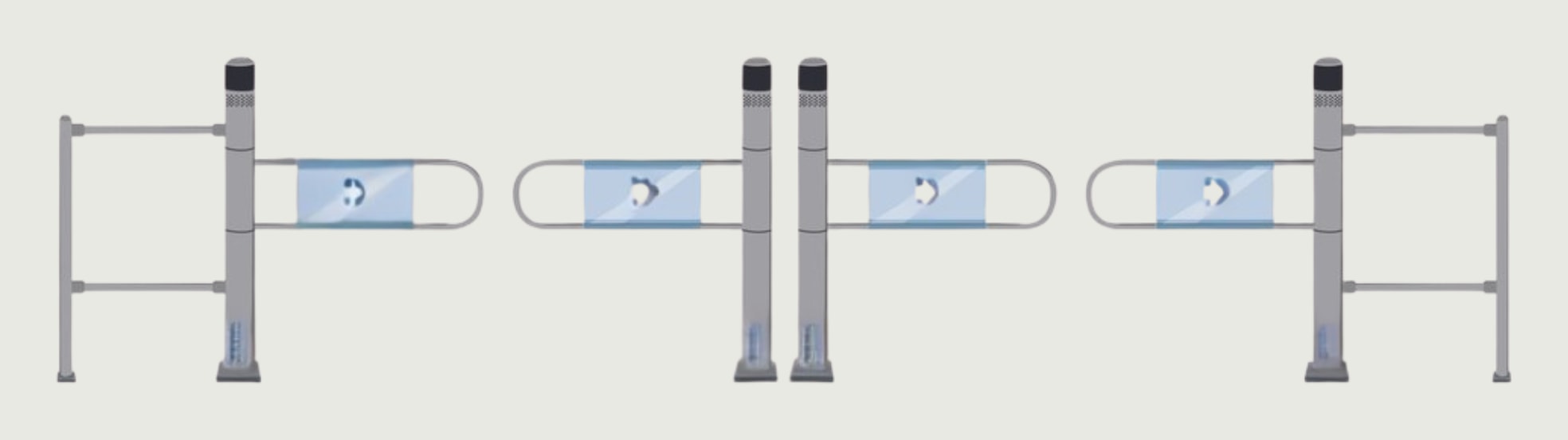
Entrance misuse
Direct incoming traffic and discourage customers from using the entrance as an uncontrolled exit.
- One-way passage
- Reverse-direction alert options
Retail loss prevention / physical control
Control entrances, checkout lanes and exits—making opportunistic walkouts harder while reducing the routine LP labor spent watching open paths.

Where physical control matters
Start with the opening causing the clearest operational problem. Add the other control points when the store layout and priorities justify them.
Direct incoming traffic and discourage customers from using the entrance as an uncontrolled exit.
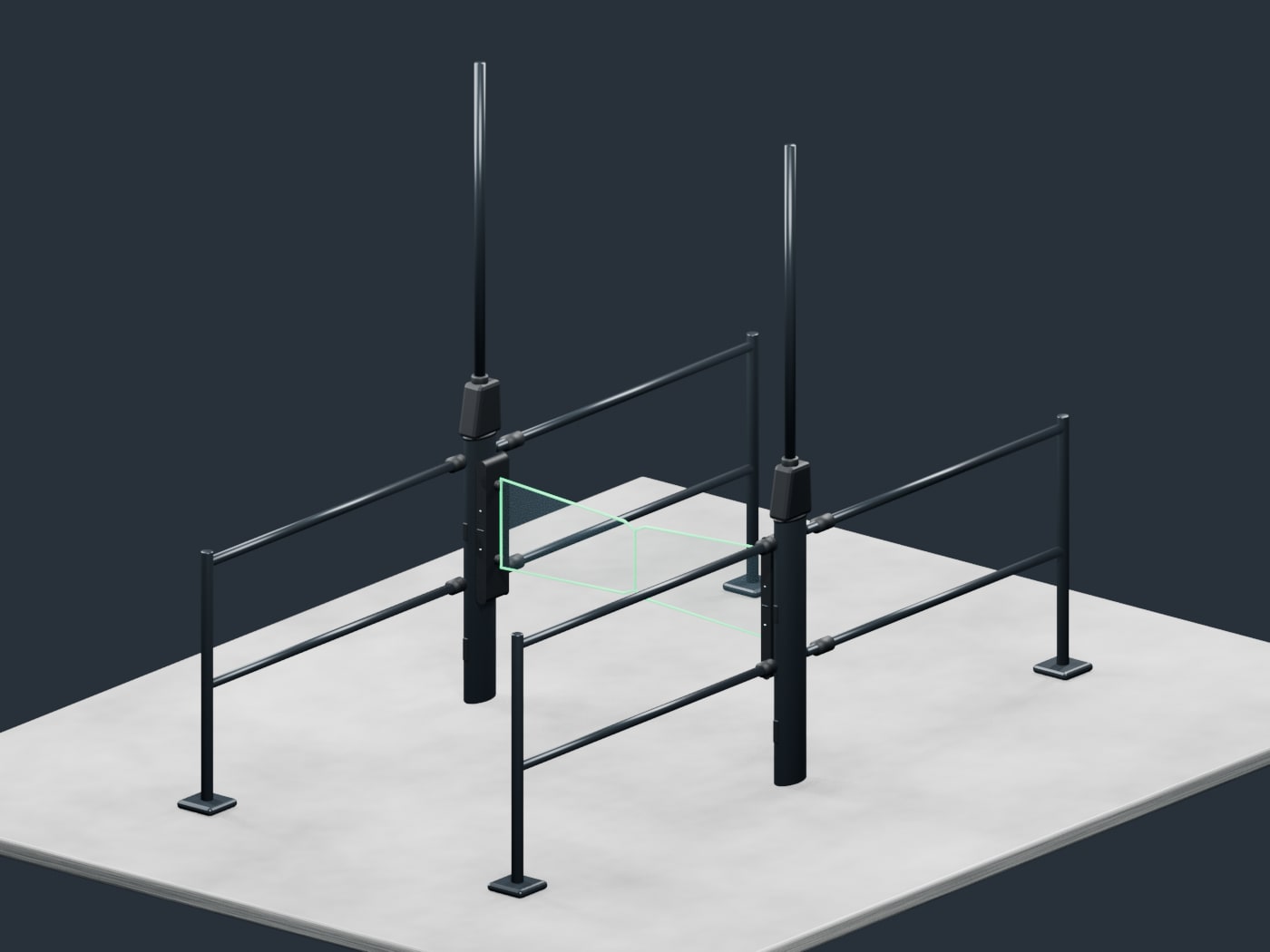
Require a qualifying receipt or configured release before normal passage through the self-checkout exit.
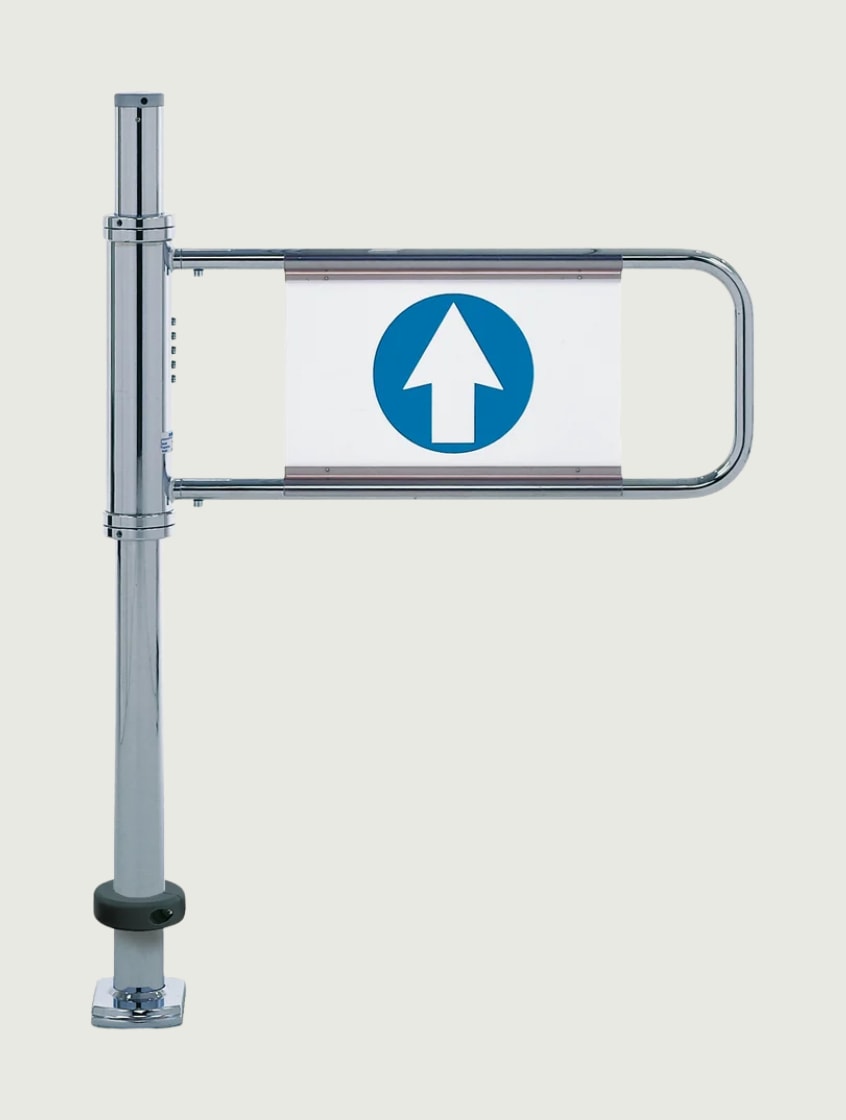
Close registers that are not operating so they do not become an easy path around the staffed front end.
Create a defined release point with gate, detection and guidance options suited to the store’s exit workflow.
The labor angle
The goal is not “zero labor.” It is less time standing watch over predictable openings and more attention available for response, investigation and customer service.
Without path control
With configured gates
The free offer
Send photos or a floor plan from one representative store. Nexus will identify the gateable control points and build a concept you can review internally.
Entry, exit, SCO and unattended checkout lanes.
Gate, reader, rail and customer-flow placement.
Start with one control point or phase the complete front end.
Recommended equipment, site assumptions and next-step scope.
One system at a time—or one coordinated layout
The recommendation should match the control problem. Hardware family and exact configuration come after the path is defined.
Control arrival direction and discourage exit through the entrance.
EntryRequire qualifying receipt validation before normal SCO departure.
See product page →Close inactive checkout lanes as uncontrolled pass-throughs.
CheckoutCoordinate release, detection, alarms and customer guidance.
ExitStraightforward positioning
Create visible physical control at defined entry, lane and exit points.
Automate routine direction or release rules and support consistent exception handling.
Identify every cause of shrink, verify every item in a basket or replace a complete LP program.
Remove the need for staff assistance, emergency procedures, accessibility or code review.
Questions before design
Gates are designed to control specific physical paths and discourage behaviors such as exit through an entrance, walkout from SCO or passage through a closed register lane. They should not be presented as a fix for every form of theft or shrink.
No. They can automate routine direction, validation and closure so staff can be assigned to exceptions and higher-value work. The retailer determines staffing and response policy.
Yes. The first step is a store-specific fit review covering traffic flow, existing fixtures, dimensions, power, floor conditions, accessibility and egress requirements.
Yes. The scan-to-exit SCO gate is available as a concrete first product. The entry, register-lane and broader exit controls can remain separate future phases.
No. It is a planning concept for internal review and budgeting. Final dimensions, anchors, code, accessibility, egress and equipment selection require field verification.
Free one-store gate plan
We will turn one representative front end into a practical gate concept—then show which control point is worth addressing first.